Say “bye bye” to green goo
your step-by-step guide to preventing Pool Algae
Nothing ruins a summer day like stepping into a pool filled with unsightly green slime. Algae, the bane of every pool owner's existence, can turn your sparkling oasis into a murky mess.
But fear not! Preventing algae growth doesn't have to be a chore. With a little know-how and consistent effort, you can keep your pool crystal clear and algae-free all season long.
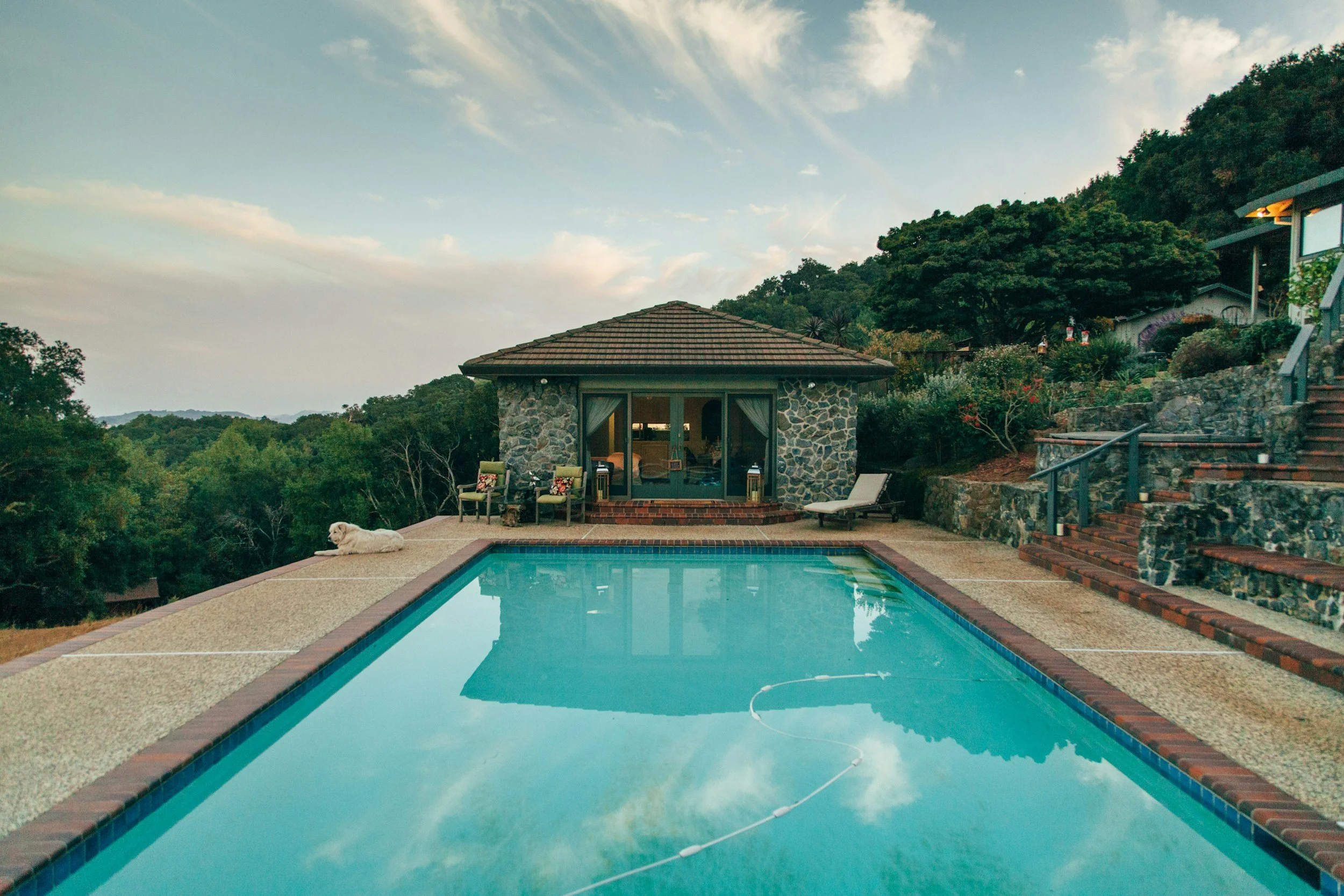
Step 1: Keep it Clean
Brush Regularly: Algae love to cling to surfaces, so brushing your pool walls, floor, and steps 2-3 times a week helps remove any developing algae and keeps it from taking hold.
Vacuum Often: A good vacuuming session removes debris and organic matter that can feed algae. Aim for a vacuum session at least once a week, more often if you have heavy foot traffic or use your pool frequently.
Step 2: Balance is Key
Check Your pH: The pH level of your pool water should be between 7.2 and 7.8. Test your water weekly and adjust the pH as needed using a pH increaser or decreaser.
Calcium Hardness Matters: Proper calcium hardness levels (200-400 ppm) help protect your pool surface from damage caused by chlorine and prevent algae growth.
Test Regularly: Invest in a good pool water testing kit and test your water at least twice a week. This allows you to catch imbalances early on and make necessary adjustments.
Step 3: Supercharge Your Chlorine
Shock Your Pool Weekly: "Shocking" your pool involves adding a large dose of chlorine to kill bacteria, algae, and other contaminants. Aim to shock your pool once a week, especially after heavy use, rainfall, or if you notice any algae growth.
Free Chlorine Levels: Maintain a free chlorine level between 1 and 3 ppm. This ensures your pool has enough chlorine to effectively kill algae.
Step 4: Phosphate Control
Phosphates Feed Algae: Phosphates are a key nutrient source for algae, so removing them from your pool water is crucial. Use a phosphate remover product according to the manufacturer's instructions.
Prevent Entry: Avoid using fertilizers near your pool and clean up any debris from leaves, grass clippings, or bird droppings that may contain phosphates.
Step 5: Maintain a Clean Surround
Debris Removal: Keep leaves, twigs, and other debris out of your pool. A good pool cover can help prevent debris from entering the water.
Clean Equipment: Regularly clean your pool filter and skimmer baskets to ensure they're functioning properly.
Bonus Tip:
If you notice algae starting to grow, don't panic! Act quickly by brushing the affected areas, increasing your chlorine level, and using an algaecide.
With these steps in place, you'll be well on your way to enjoying a sparkling, algae-free pool all summer long!
